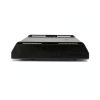

Description
Product Overview
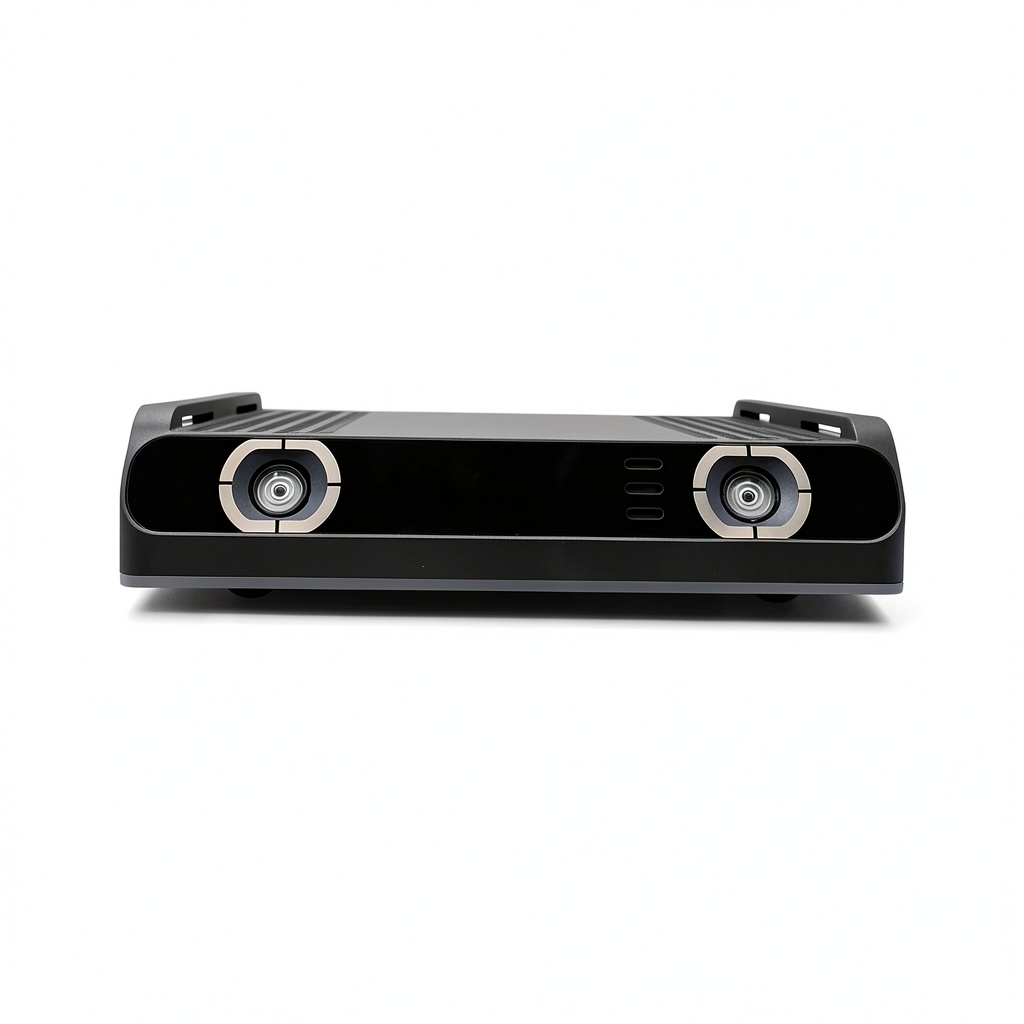
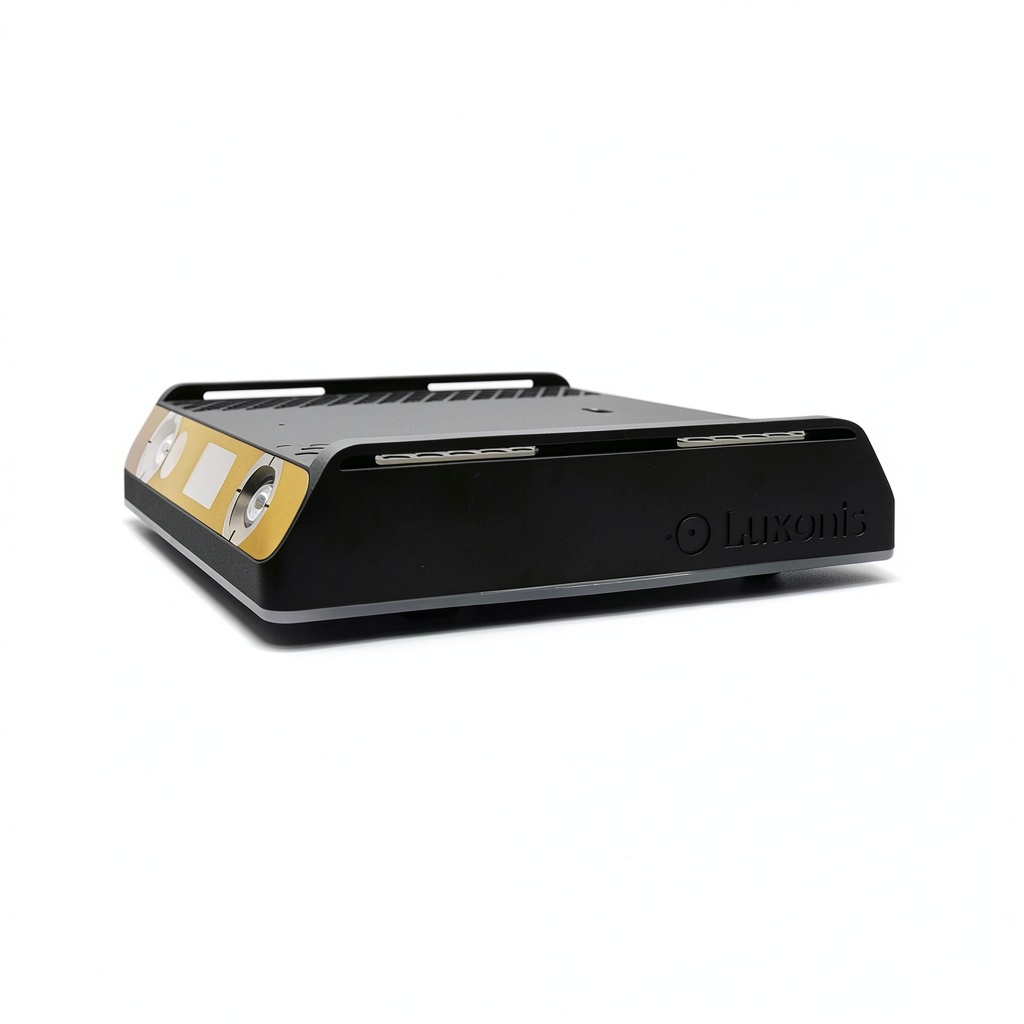
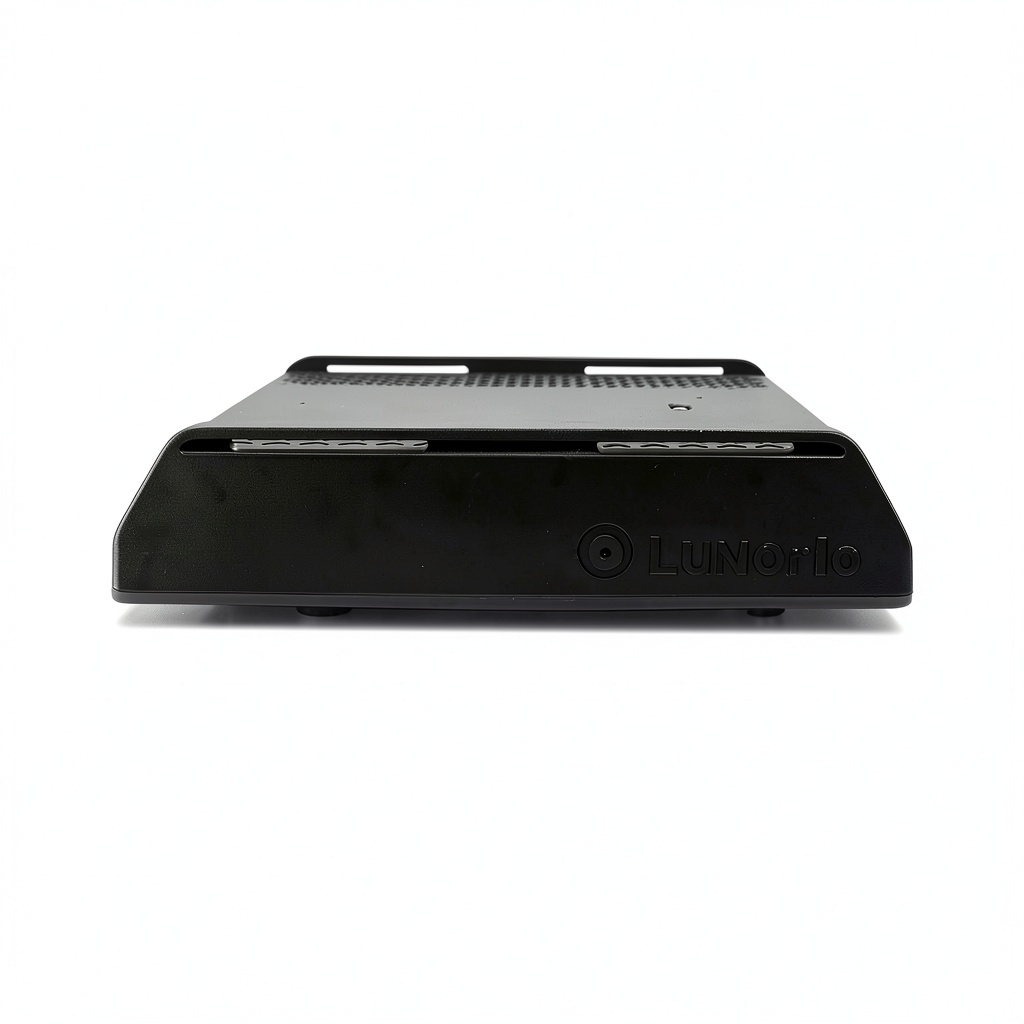
The Luxonis Robot Platform is the first fully‑formed robot released by Luxonis, designed to give developers, educators, and hobbyists a ready‑to‑use solution that combines powerful hardware with an open‑source software stack. Housed in a compact chassis measuring 6.3 x 6.26 x 2.05 inches and weighing just 1.46 pounds, the robot includes a high‑capacity lithium polymer battery that provides several hours of continuous operation without the need for external power. The platform’s robust aluminum frame and precision‑molded plastic components deliver durability for both classroom handling and field research, while the integrated power management system protects the battery and electronics from over‑charge and deep‑discharge.
Built on Luxonis’ proven OAK (Open AI Kit) vision technology, the robot incorporates a suite of cameras, depth sensors, and inertial measurement units that enable real‑time perception and navigation. The on‑board processor runs a Linux‑based operating system, supporting popular robotics frameworks such as ROS 2, TensorFlow Lite, and OpenCV. All firmware and driver code is released under permissive open‑source licenses, allowing users to modify, extend, and share their custom applications. Connectivity options include Wi‑Fi, Bluetooth, and USB‑C, ensuring seamless integration with existing test rigs, cloud services, or edge‑computing devices.
![[Product front view showing all components]](https://www.assisttech.store/wp-content/uploads/2026/06/29d56cef953f47e38a9e324678197692.jpg)
Usage
In academic settings, the Luxonis Robot Platform serves as an ideal teaching tool for courses in robotics, computer vision, and embedded systems. Instructors can demonstrate concepts such as sensor fusion, SLAM (Simultaneous Localization and Mapping), and machine‑learning inference directly on the robot, while students gain hands‑on experience programming in Python or C++. The lightweight design also makes the robot suitable for laboratory experiments that require mobility, such as automated material handling, environmental monitoring, or swarm robotics research.
For hobbyists and makers, the platform offers plug‑and‑play compatibility with popular development boards like the Raspberry Pi and Arduino, enabling rapid prototyping of custom projects. Whether building an autonomous delivery bot, a vision‑guided art installation, or a low‑cost inspection drone, users benefit from the pre‑calibrated sensor suite and the ability to deploy code over the air. The included battery ensures that the robot can operate untethered for extended sessions, making it perfect for field demonstrations, maker fairs, or outdoor exploration.
Why Choose Us
Luxonis backs the Robot Platform with a comprehensive quality assurance program that includes rigorous stress testing, component certification, and a three‑year warranty on the chassis and battery. Each unit undergoes a calibrated production line inspection to verify sensor alignment, battery health, and firmware integrity before shipment. This commitment to reliability reduces downtime for research labs and educational institutions that require consistent performance across multiple deployments.
Beyond hardware, Luxonis provides extensive documentation, tutorial videos, and a vibrant community forum where users can share code, troubleshoot issues, and collaborate on open‑source projects. The company’s engineering support team offers direct assistance for integration challenges, firmware updates, and custom feature requests. By choosing the Luxonis Robot Platform, customers gain access to a proven ecosystem that accelerates development cycles, lowers total cost of ownership, and fosters innovation through shared knowledge.
Key Features
- Fully formed robot with integrated lithium polymer battery for untethered operation.
- Compact 6.3 x 6.26 x 2.05 inch chassis and lightweight 1.46 lb design for easy handling.
- Open‑source hardware and software stack compatible with ROS 2, TensorFlow Lite, and OpenCV.
- Robust sensor suite including cameras, depth perception, and IMU for versatile applications.
- Dedicated Luxonis support team and community resources for ongoing assistance.
FAQ
What type of battery does the robot use and how long does it last?
The robot is equipped with a single 1‑cell lithium polymer battery that is included in the package. Under typical usage—such as continuous vision processing and moderate motor activity—the battery provides between 3 to 5 hours of runtime. Battery life can be extended by reducing sensor frame rates or disabling non‑essential peripherals. The built‑in power management system also protects the battery from over‑charging and deep discharge, ensuring a long service life.
Is the robot compatible with existing robotics frameworks?
Yes. The platform runs a Linux‑based operating system and includes drivers for ROS 2, allowing seamless integration with existing robot software stacks. Developers can also use Python, C++, or JavaScript to access sensor data, control actuators, and deploy machine‑learning models. The open‑source nature of the firmware means that additional libraries or custom drivers can be added without licensing restrictions.
Can the robot be used for educational purposes without prior robotics experience?
Absolutely. Luxonis provides a series of step‑by‑step tutorials that guide beginners through basic concepts such as sensor reading, motor control, and simple autonomous navigation. The included example projects cover topics like line following, obstacle avoidance, and object detection, making it easy for teachers to incorporate hands‑on labs into curricula. The robot’s plug‑and‑play connectivity also allows students to program it directly from a laptop or tablet without complex wiring.
What support options are available if I encounter hardware or software issues?
Customers have access to a dedicated support portal where they can submit tickets, view troubleshooting guides, and download the latest firmware updates. In addition, Luxonis maintains an active community forum where users share code snippets, hardware modifications, and best practices. For critical issues, the three‑year warranty covers hardware defects, and the engineering team can provide remote assistance to resolve software configuration problems.
How does the robot handle environmental variations such as lighting changes?
The integrated camera system includes auto‑exposure and white‑balance algorithms that adapt to a wide range of lighting conditions, from bright indoor spaces to dimly lit environments. For applications requiring higher robustness, users can enable HDR (High Dynamic Range) mode or attach external illumination modules. The depth sensor operates on infrared wavelengths, which are less affected by visible light fluctuations, ensuring reliable distance measurements even when ambient lighting varies.
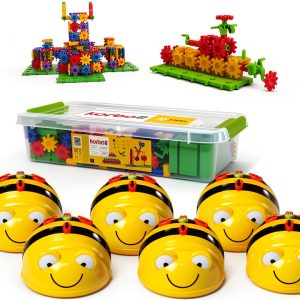
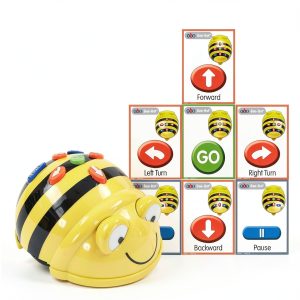 Bee-Bot Robot TerrificSolutions PARA1238FREE1372 + Free A5 Cards
Reviews
There are no reviews yet.